


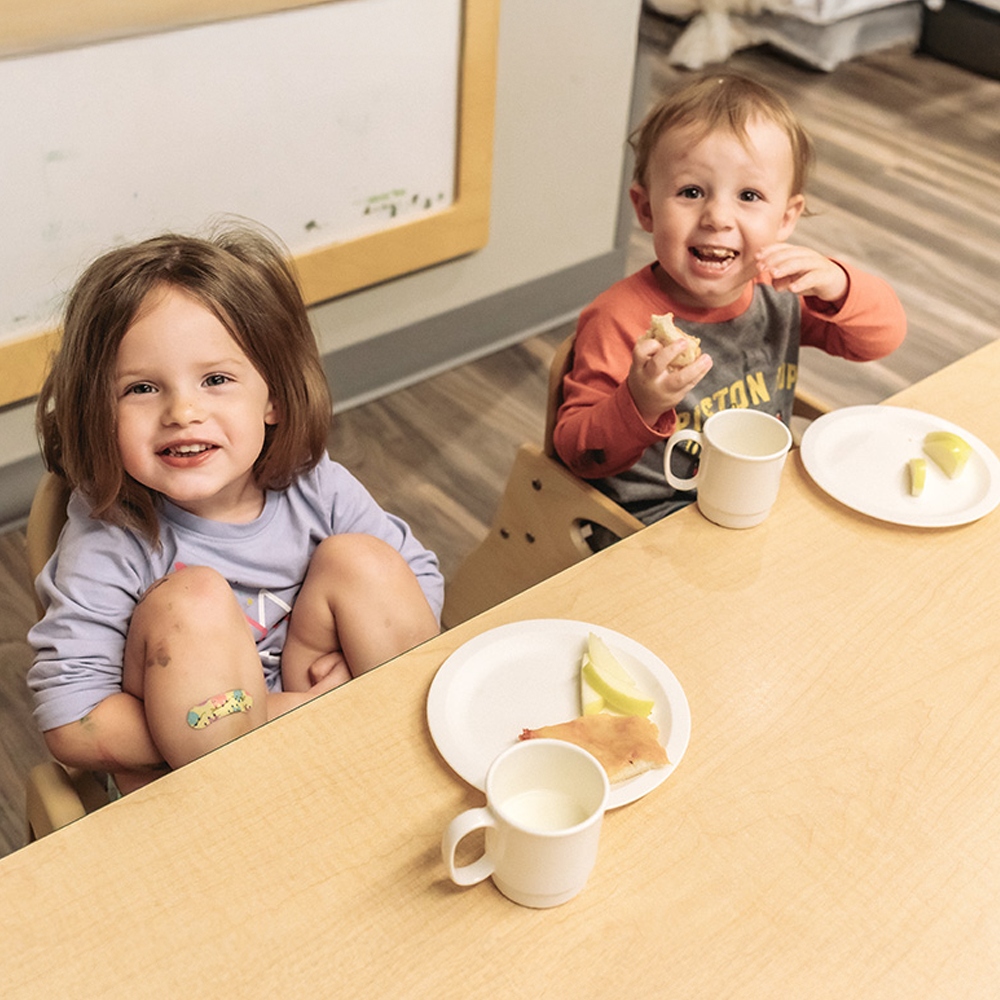
The food a child eats is the building block for healthy growth and development. As a parent, it can be a challenge introducing new foods to babies and toddlers. Knowing the steps you can take can lead to a stress-free process that focuses on the right nutrients.
Whether you have a little one on the way or you’re trying to make the transition from baby foods, having the right information can help you expand your child’s palate at a mapped-out pace. Learn about the next steps and pair them with determination to help your little one discover new foods.
Effective strategies for introducing foods
Focus on single ingredients
The most effective and healthy approach for introducing new foods to babies and toddlers is to focus on single-ingredient foods. Whether mashed or pureed, options like fruits, vegetables, and meats can allow parents to expose their little ones to new, nutritious foods while keeping a close eye out for any allergic reactions (mainly diarrhea, vomiting, or rashes).
Allergy prevention steps
It’s also helpful to have a timetable for when to introduce allergenic foods. Foods to focus on include eggs, peanuts, fish, and dairy. The ideal timeline for introducing these foods is around the six-month mark. Keeping to that timeline can help parents identify and prevent allergies.
Take it slow
A slow and steady approach is best when introducing new foods. It’s best to wait three to five days between introducing new foods. The gap between different foods can also make identifying allergic reactions easier.
Don’t forget about texture
The texture of new foods can be a significant factor to consider for your child’s food journey. The ideal progression is going from thin purees to thicker foods, including mashed options. Around the eight- to 12-month mark, your little one can begin progressing to tiny and soft finger foods to develop their chewing skills.
Offer, but never force
Food should be an exploratory experience for babies and toddlers. The healthiest approach is to allow your child to explore the foods you introduce, regardless of whether they play with the food or make faces. It’s also recommended to avoid making them finish everything on their plate. It’s best to allow their natural hunger cues to develop.
Effective tips for toddlers and picky eaters
Consistent exposure
Consistent exposure involves reintroducing foods that your little one has previously disliked. It’s natural for toddlers and children to need up to 15 exposures to adjust to and accept a new flavor. Collaborate with your child’s educators if they are attending daycare in Chicago to maintain consistency in and out of the home.
Make it fun
Books or games can add a layer of fun for picky eaters who are trying new foods. When your toddler is focused on having fun, they’re less likely to be intimidated by the foods they’re trying.
Pair foods
Pairing is an effective strategy for parents who are reintroducing foods to picky eaters. The ideal approach involves pairing the new or disliked food with a familiar and liked one.
Model eating
Toddlers and young children are observant, and parents can make new foods less intimidating by modeling eating. Try eating the same food you’re introducing so that they see you eating and enjoying it.
Avoid pressure
Pressure should always be avoided when helping picky eaters and toddlers explore new foods. You want to provide a calm eating environment where children feel comfortable. It’s also advisable to avoid using food as a reward.
Safe food practices
Choking hazards
Parents must be cautious and aware of choking hazards when introducing new foods to their little ones. Avoid hard foods, including grapes, nuts, and carrots to minimize the risk of choking. Parents can also help by cutting foods into smaller, more manageable pieces.
Avoid adding sugar and salt
Never add salt or sugar to homemade baby food. An infant or toddler’s kidneys have not developed enough to handle high levels of sodium, while adding sugar can usher in unhealthy eating habits that continue as your child grows.
Learn and follow cues
Be on the lookout for cues from your little one when feeding them to ensure a healthy and positive experience. Stop feeding if you notice your child turn away or close their mouth. Both cues are often signs that they are full and have finished eating.
At Kids’ Work Chicago Riverview, we offer a full range of nutritious food options so that even the pickiest eater won’t go hungry. Get in touch with our team today to learn more.