


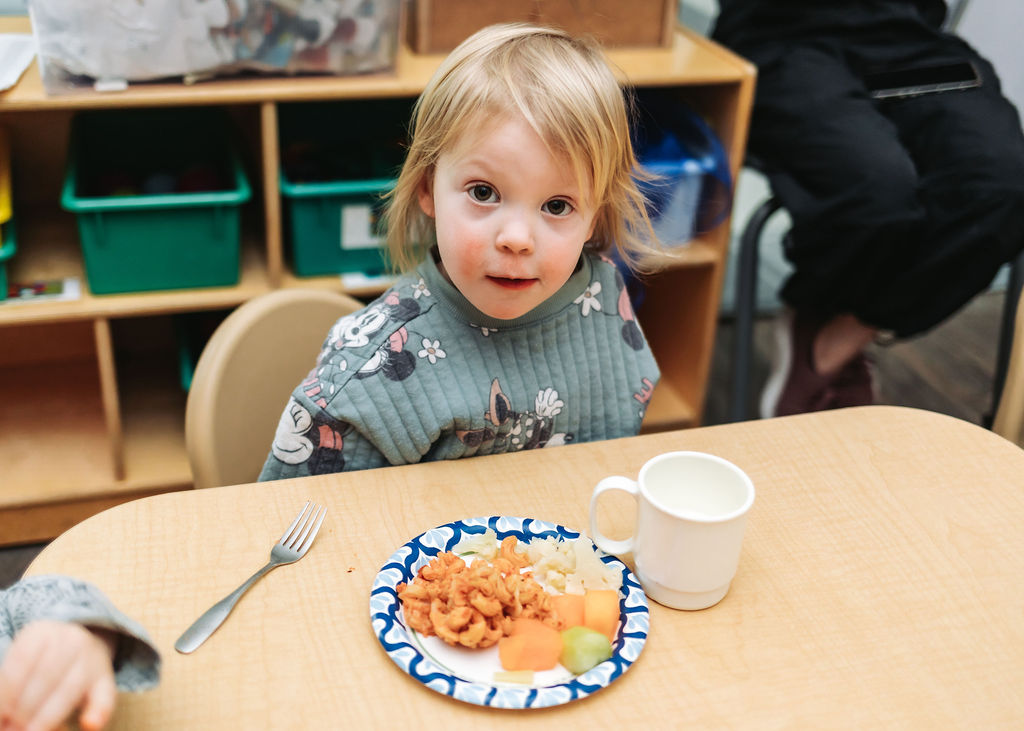
The phrase “don’t play with your food” has been around for generations, and while it may have merit for some individuals, babies may be an exception.
Believe it or not, messy eating can be beneficial for your infant’s development, providing several notable benefits. Learning more about those benefits can provide assurance to parents who want to be sure they’re making the best decisions for their young ones. With this guide, parents can discover all the benefits, along with the tips they can use to encourage healthy exploration.
Why messy eating is beneficial
Skill development
Researchers have found that children who explore food with their hands can begin building the foundation of their fine motor skills. Among those fine motor skills is the pincer grip, which enables them to pick up small objects and items. It’s also an effective way for little ones to improve their hand-eye coordination.
Sensory exploration
When children explore their food with their hands, it acts as a sensory experience and allows them to become more familiar with different textures. In addition to the feeling of touching or holding food, children can learn about temperatures and smells. That familiarity can help when introducing new foods to their diet because the familiarity reduces eating hesitancy.
Reduced picky eating
Messy eating is also helpful for children who are attempting to overcome pickiness. Babies who mash, touch, and explore their food more intensely. They can discover new textures and become more likely to develop an expansive palate. It’s a stepping stone toward building a diet based around nutritious foods.
Increased independence
Self-feeding is a significant step in an infant’s development. When little ones learn how to use their hands to feed themselves, they learn how to control how much they eat. It’s also a way for them to build an understanding and sense of trust in the hunger cues they feel.
Tips for encouraging exploration
Embrace the mess
While messes can sometimes create more work for parents, it’s an essential part of the growth and development process for infants and toddlers. Parents who let their children squish and smash their food. The mess they create will pay dividends in the future when you begin adding new foods for them to try.
It’s also crucial that parents remain calm when embracing the mess. It is a normal part of the learning process for infants. Their exploration builds comfortability and will reduce barriers that parents face later on in the journey of raising little ones.
Start simple
Simple is often better when helping your child embark on the road to food exploration. Start with soft finger foods that are easy to grab. Some healthy examples of these foods include steamed vegetables like green beans or sweet potatoes.
Soft fruits are another nutritious option, combining simple with sweet. Consider options like ripe bananas, papayas, avocados, peaches, and berries. These fruits are nutritious and can be cut into small pieces that are safe to explore or eat, all while improving motor skills.
Model appropriate behavior
Children are very observant, and parents can use that to their advantage by modeling appropriate behavior when exploring and eating food. Parents can model the behavior of picking up berries or steamed green beans and eating them. Slowly pick up these food items, demonstrating how to use the hands and fingers.
Look for clues
Playing with food is ultimately a learning process for children. The ways in which they play with it can offer clues based on the texture and the behavior they exhibit with it.
How often should you let your baby try and feed themselves?
Starting around the six-month mark, parents should start allowing their infant feed themselves every meal. By that point, it’s possible to begin introducing more solid foods to their diet.
Parents can also begin introducing and demonstrating how to use utensils when their child reaches 12 months. It is best to be patient with the process, as it can take months of developing fine motor skills before a little one can effectively use a fork or a spoon. Consistent practice is key for them to continue growing.
A clear sign that your baby is ready to try and feed themselves is when they can sit in a highchair without assistance. It’s also a good sign when they learn to grasp food with their hand and bring it to their mouth.
For more information about the nutritious food we offer children in our care here at Kids’ Work Chicago Riverview, get in touch with the team today.